Quick Overview
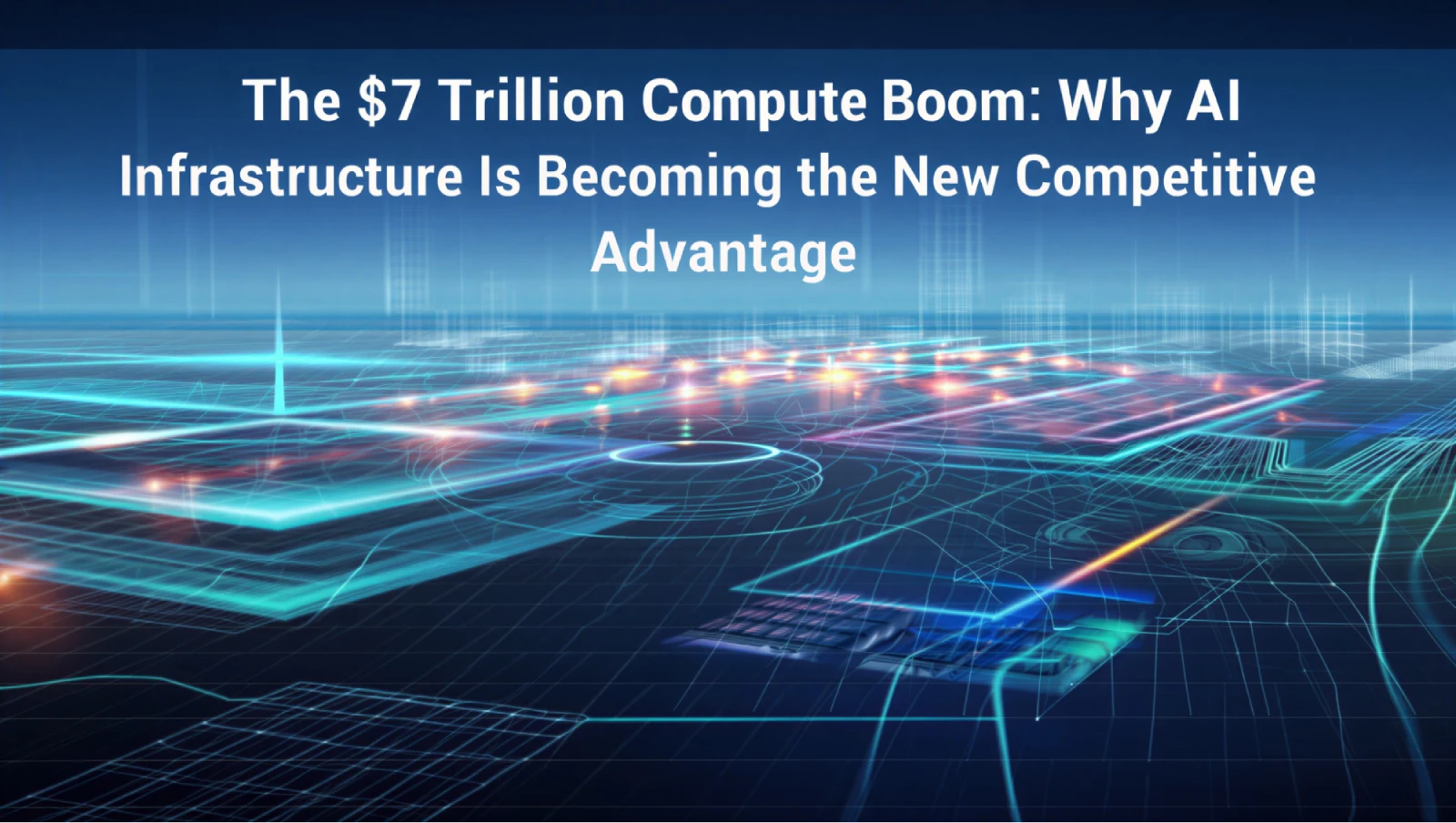
The global demand for computing power is accelerating at an unprecedented pace, fueled by artificial intelligence, automation, and data-driven business models. As AI workloads grow in scale and complexity, organizations worldwide are investing heavily in data center infrastructure, specialized processors, and energy-efficient systems. This rapid expansion is expected to drive trillions of dollars in compute-related investments over the coming decade.
Why Compute Has Become a Strategic Priority
Compute power has moved beyond being a technical resource it is now a foundational business asset. Modern AI systems rely on enormous processing capacity to train models, run real-time inference, and automate decision-making across industries. As a result, organizations are competing not only for talent and data, but also for access to scalable, high-performance compute infrastructure.
Unlike traditional IT workloads, AI workloads are:
- Highly compute-intensive
- Continuous rather than periodic
- Dependent on specialized hardware
This shift has transformed data centers into strategic hubs that directly influence innovation speed, operational efficiency, and market competitiveness.
That’s exactly why serious AI consulting has stopped being a “future thing” and become table stakes for anyone who wants to pull meaningfully ahead.
The organizations that are quietly winning aren’t just automating boring tasks. They’re rewriting how decisions get made, how information flows between teams and systems, and how value actually lands with customers faster and more reliably.
What’s Driving the $7 Trillion Compute Expansion
The projected multi-trillion-dollar investment in compute infrastructure is driven by several converging forces:
1. AI Workload Growth
Large language models, computer vision systems, and predictive analytics engines require massive parallel processing. Each new generation of AI models demands more compute than the last.
2. Specialized Hardware Adoption
GPUs, AI accelerators, and custom silicon are essential for modern AI workloads. These components are significantly more expensive than general-purpose processors and require specialized infrastructure.
3. Energy and Cooling Challenges
High-density compute environments consume vast amounts of power and generate intense heat. Advanced cooling technologies and energy-efficient designs increase both capital and operational costs.
4. Global Digital Transformation
Enterprises across healthcare, finance, manufacturing, and retail are embedding AI into core processes, further increasing demand for scalable compute platforms.
This environment has made Artificial Intelligence Consulting Services essential for organizations seeking to align compute investments with real business outcomes rather than reacting to infrastructure pressure.
The Rising Cost of Compute: What Enterprises Must Consider
While cloud providers and hyperscalers are investing aggressively, enterprises still face rising compute costs due to:
- Persistent GPU shortages
- Increasing energy prices
- Complex hybrid infrastructure management
- Growing compliance and resilience requirements
Simply adding more compute capacity is no longer viable. Strategic planning is required to determine where, how, and when compute resources should be deployed.
This is where AI Strategy Consulting plays a critical role helping enterprises assess workloads, forecast demand, and build scalable architectures that avoid unnecessary capital expenditure.
Cloud vs On-Premises: Finding the Right Balance
One of the most important decisions organizations face is whether to rely on cloud compute, on-premises infrastructure, or a hybrid approach.
Cloud Compute
- Pros: Fast scalability, reduced upfront investment
- Cons: Long-term costs, data egress fees, dependency on providers
On-Premises Compute
- Pros: Cost control at scale, predictable performance
- Cons: High capital investment, maintenance responsibility
Hybrid Models
Hybrid strategies are increasingly favoured, allowing enterprises to:
- Use cloud resources for peak demand or experimentation
- Retain core workloads on dedicated infrastructure
- Optimize cost and performance simultaneously
An experienced AI and Automation Consultant helps enterprises evaluate these trade-offs and design flexible compute strategies that evolve with business needs.
How Automation Reduces Compute Costs
While demand for compute is rising, automation offers a powerful counterbalance. AI-driven automation can significantly reduce wasted compute resources by:
- Automatically scaling workloads up or down
- Scheduling compute-heavy tasks during low-cost periods
- Identifying idle or underutilized resources
- Optimizing model training and inference pipelines
These capabilities are typically delivered through AI Automation Consulting Services, which focus on maximizing compute efficiency while maintaining performance and reliability.
Enterprise Planning in a High-Compute Future
As computing becomes more expensive and mission-critical, enterprises must treat infrastructure planning as a board-level concern. Key considerations include:
- Long-term capital planning for computing investments
- Energy efficiency and sustainability goals
- Regulatory compliance and data sovereignty
- Risk management and resilience planning
Organizations that engage in Enterprise AI Consulting gain a structured roadmap for scaling AI responsibly while keeping compute costs under control.
The Long-Term Outlook: Efficiency Will Matter More Than Scale
Although trillions will be spent on compute infrastructure, the future will favor organizations that focus on efficiency, not just size. Advances in model optimization, hardware efficiency, and automated resource management will help slow the growth of compute demand but only for those who plan strategically.
Companies that invest early in intelligent infrastructure design and partner with trusted AI Strategy Consulting providers will be better positioned to adapt as technology evolves.
Conclusion: Compute Is the New Competitive Advantage
The $7 trillion race to scale data centers reflects a fundamental shift in how value is created in the digital economy. Compute power now underpins AI innovation, automation, and enterprise transformation. However, unchecked investment without a strategy can lead to rising costs and diminishing returns.
By leveraging Artificial Intelligence Consulting Services, adopting automation through AI Automation Consulting Services, and working with an experienced AI and Automation Consultant, enterprises can turn computing from a cost burden into a strategic advantage, fueling sustainable growth in an AI-driven world.
Frequently Asked Questions
The rise of AI workloads, specialized hardware requirements, energy consumption, and global digital transformation are driving unprecedented demand for compute infrastructure.
While efficiency improvements may slow growth, overall compute spending is expected to increase as AI adoption expands across industries.
Through strategic planning, workload optimization, automation, and hybrid infrastructure models supported by AI Strategy Consulting.
Not always. Cloud offers flexibility, but long-term or high-intensity workloads may be more cost-effective on dedicated or hybrid infrastructure.
Consultants help align compute investments with business goals, optimize resource usage, and reduce long-term operational costs.